Illegal Bikes NYC Crackdowns on Illegal E-Motos and Dirt Bikes
Seizures, retail cease-and-desist orders, and city fatality messaging
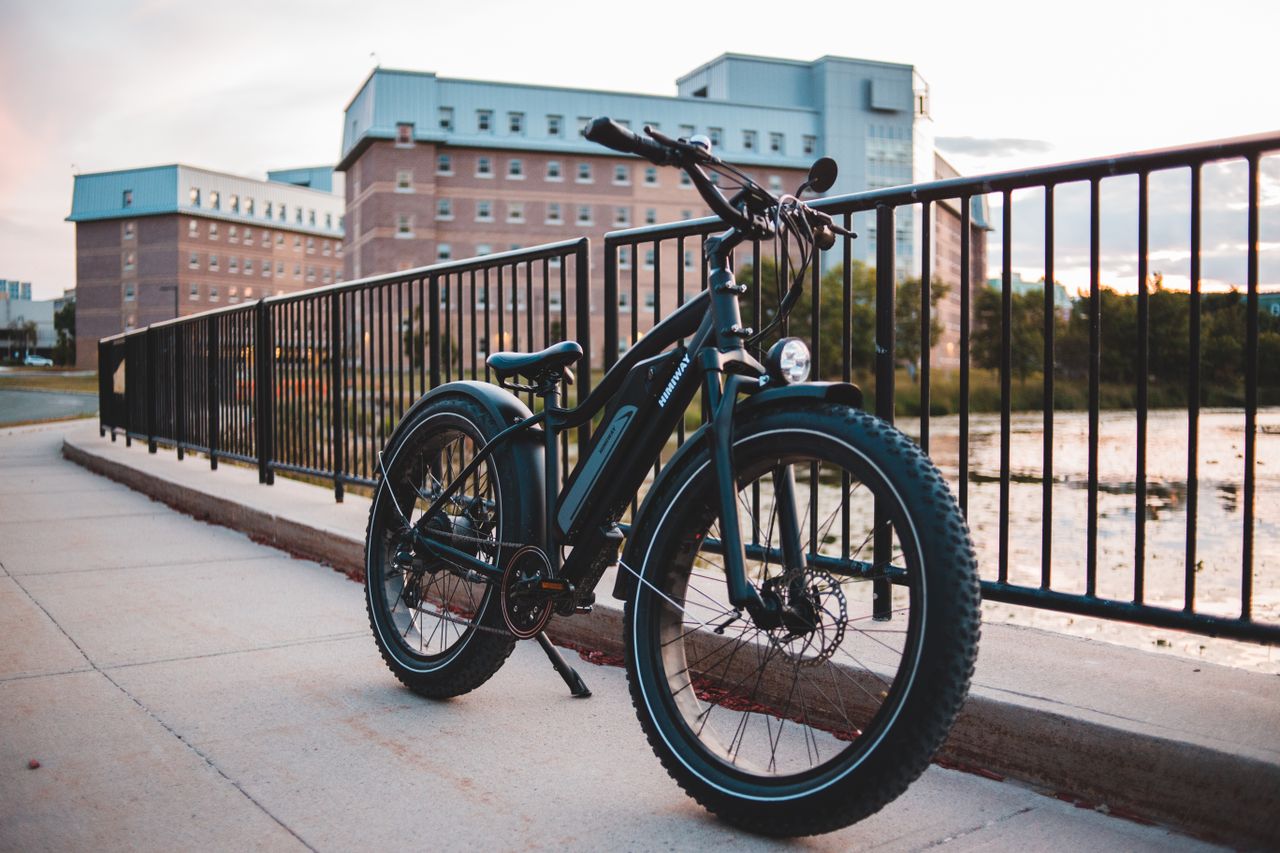
New York City has treated unregistered dirt bikes, ATVs, mopeds, and high-power electric two-wheelers as a street-safety and quality-of-life problem for years. NYPD details seize ghost vehicles without plates or with obscured tags. City demolitions have crushed large batches of confiscated dirt bikes and ATVs rather than auctioning them back into circulation. Parallel to those classic off-road seizures, officials and advocates have focused on devices marketed online as e-bikes that exceed New York’s legal speed and motor limits for e-bikes and stand-up scooters.
This case file summarizes publicly reported NYC actions that Illegal Bikes Files archives for readers comparing local crackdowns with laws in NYC and California. Figures below come from mayoral releases, Streetsblog and other local reporting that cited city data, and related enforcement notes. They are not legal advice.
August 2026 cease-and-desist to 42 online retailers
On 5 August 2026, Mayor Zohran Kwame Mamdani’s administration announced cease-and-desist orders to 42 online retailers. The city demanded they stop selling illegal high-speed motorized devices into New York City’s ZIP codes, with an 18 August compliance deadline and civil penalties of up to $2,000 per illegal sale if they continued. Named or listed sellers in coverage included large marketplaces and specialty brands such as Amazon, Best Buy, Target, Temu, Walmart, Wayfair, Segway, Deepower, Teverun, and Wilson’s E-Bikes, among others.
City messaging framed the products as devices that exceed legal limits for speed, weight, or other safety requirements and therefore cannot lawfully be sold or operated on city streets as ordinary e-bikes or e-scooters. Officials described motors larger than 750 watts or speeds above 25 mph for purported e-bikes, and stand-up scooters capable of more than 20 mph, as outside the lawful micromobility categories. Seated mopeds without a displayed VIN were also called out in the same crackdown language.
Teen fatality on a Deepower QS7
The retail action followed the 29 July 2026 death of 17-year-old Gabriel Nacato, who was riding an illegal Deepower e-moto—reported as a QS7 model—when he collided with an SUV near Chambers Street / Centre Street in Lower Manhattan. Reporting described a roughly 100–103 pound machine with a 1,500-watt motor, about double New York’s 750-watt e-bike ceiling, advertised around 30 mph with throttle and with online instructions that could raise speed further. Family members said the uncle had bought the device online for commuting. State Attorney General Letitia James issued a consumer alert around the same period warning that two-wheelers marketed as e-bikes or e-scooters but exceeding New York speed limits are not those classes.
Fatality share, 2017–2025
Mayoral materials stated that illegal devices accounted for more than half of rider fatalities involving e-bikes and stand-up scooters. Between 2017 and 2025, 45 rider fatalities involved illegal e-bikes capable of traveling faster than 25 mph—54% of all e-bike rider deaths in that span. In the same period, 14 rider fatalities involved stand-up scooters capable of more than 20 mph—52% of stand-up scooter deaths. Those percentages are city messaging, not a substitute for reading the underlying Vision Zero tables, but they explain why retail supply became a mayoral priority alongside street redesign and enforcement.
NYPD seizures of illegal motorcycles, scooters, and dirt bikes
Separate from the 2026 online letters, NYPD quality-of-life and traffic teams have long seized illegal scooters, motorbikes, and ATVs. City officials under the prior administration cited tens of thousands of illegal scooters, motorbikes, and ATVs removed over multi-year campaigns, plus demolition events—such as more than 200 dirt bikes, ATVs, and motorbikes crushed on Staten Island in mid-2025. Precinct-level operations continue to stop unplated or improperly plated machines. ## August–September 2026 brick-and-mortar shop sweep
Follow-up reporting in early November 2026 detailed a Department of Consumer and Worker Protection blitz from 1 August through 20 September 2026. Inspectors visited 229 retail shops across all five boroughs, recorded 136 individual violations, issued more than 75 summonses at $1,000 each, shuttered three stores entirely, and brought five more shops into compliance. The same campaign narrative included 85+ cease-and-desist orders and 41 summonses aimed at online sellers for battery safety breaches — tying illegal e-moto supply to the lithium-ion fire surge covered in battery fires and safety. Officials displayed uncertified packs seized from shops and repeated that nobody should buy or sell unsafe devices in New York.
Staten Island joint seizure after a viral confrontation
On 15 November 2026, local outlets reported that the NYPD’s 121st Precinct and borough partners seized roughly a dozen illegal two-wheelers days after social video showed riders surrounding a motorist on Richmond Avenue. The sequence — viral disorder, then photographed seizures — matches the city’s broader quality-of-life playbook.
What NYC’s pattern teaches buyers and parents
Listing language that says “e-bike” does not make a 1,500-watt throttle machine street-legal in the five boroughs. Ask for continuous wattage, top assisted or motor-only speed, pedal requirements, and whether a permanent class label exists. Compare the seller’s claims with US e-bike class rules and the regional notes in NYC and California. For a field checklist, use how to identify. Parents shopping ahead of holidays should read the parents buying guide before paying for a teen “e-bike” that is actually an e-moto.
If a machine is already seized, see if your bike is seized for typical impound, fine, and crushing patterns reported in New York cities—including Rochester’s publicly stated $500 first / $2,000 subsequent municipal fines for illegal dirt bikes and ATVs. To report dangerous illegal riding, use official local non-emergency channels described in how to report. For wider California bridge and DA actions, continue to the California Bay Area case, then return to the Cases Hub or updates for newer entries.
Frequently Asked Questions
Clear answers grounded in published rules and reporting.
What triggered NYC’s August 2026 retailer cease-and-desist orders?
City officials tied the letters to illegal high-speed devices sold online and to recent fatal crashes, including the July 2026 death of a teen on a Deepower QS7. See the timeline above and NYC and California for class limits.
Did illegal devices cause more than half of e-bike and scooter rider deaths?
City messaging for 2017–2025 said illegal e-bikes over 25 mph accounted for 54% of e-bike rider fatalities (45 deaths) and illegal stand-up scooters over 20 mph for 52% of stand-up scooter deaths (14). Those are official talking points archived here, not independent research.
Is a Deepower QS7 a legal NYC e-bike?
Reporting described ~1,500 W and ~30 mph throttle performance, above NYC’s 750 W / 25 mph e-bike framing. Treat marketing labels skeptically and use how to identify.
Where else should I read after this NYC file?
Compare California Bay Area enforcement, then UK and Australia. For buying traps, open the parents buying guide.
Does this page give legal advice?
No. It archives public reporting and city statements. Confirm current rules with NYC DOT, NYPD, and state consumer guidance linked from laws.