Illegal Bikes How to Identify Illegal E-Bikes and E-Motos
A field checklist before you buy, gift, or ride
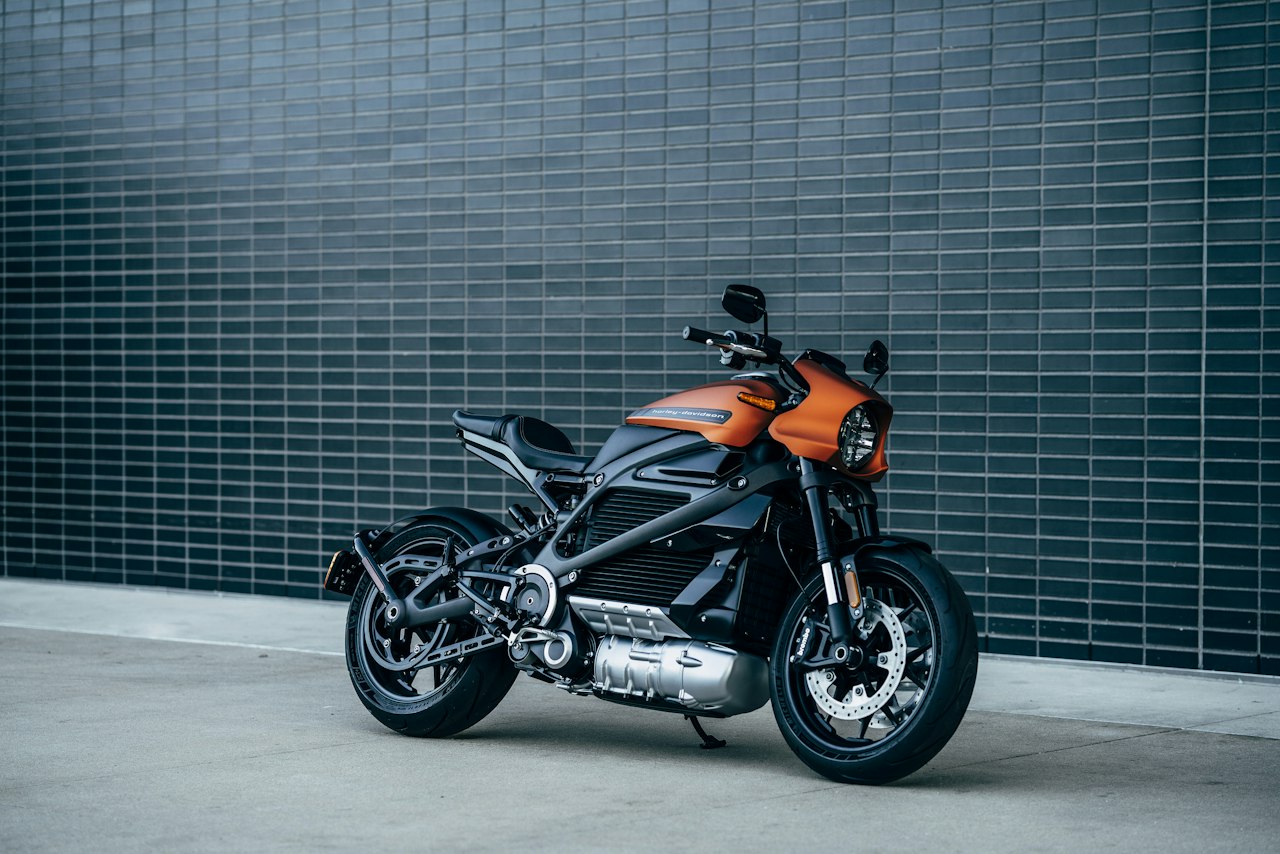
Most illegal-bike confusion starts with a photograph. Marketplace thumbnails show bicycle-shaped frames, while the motor, controller, and firmware behave like a light motorcycle. This guide gives a practical identification checklist you can run in a shop, driveway, or delivery bay. It complements e-bike vs e-moto, US e-bike classes, UK EAPC, and quick aids in tools. The embedded Wiltshire Police video explains UK EAPC tests in plain language; US and Australian readers should still apply their local wattage and speed ceilings from the laws hub.
Checklist overview
Work top to bottom. A single failure—no working pedals, no wattage label, unlock mode past legal assist—can move a machine out of the e-bike category even if the seller swears it is “street legal.” Take photos of labels for your records. Do not remove covers in a way that voids a warranty unless a qualified technician is present; visual and documentation checks already catch most problem units.
1. Operable pedals
Legal electrically assisted pedal cycles need pedals that can propel the bike. If pedals are missing, welded solid, covered, or mechanically disconnected so the rider only twists a throttle, many jurisdictions treat the machine as a motor vehicle. Wiltshire and other UK forces have seized conversions where pedals were disabled. US city crackdowns similarly flag throttle-primary devices marketed as e-bikes. Wiggle the crank; confirm the chain or belt drives the wheel when you pedal with the motor off.
2. Wattage label
Look for a permanent manufacturer label stating continuous rated motor power. Common legal ceilings referenced on this site: about 750 W for many US low-speed e-bike frameworks; 250 W continuous for UK EAPCs. A listing that brags “1,500 W peak” or “3,000 W” without a compliant continuous rating is a warning. NYC’s 2026 messaging highlighted motors larger than 750 W as outside lawful e-bike operation. Orange County cases have cited 1,200 W machines ridden by children. If the only wattage claim lives in a social-media ad, ask for the stamped frame or motor plate.
3. Class label
In US three-class systems, Class 1 is pedal-assist only to 20 mph, Class 2 allows throttle to 20 mph, Class 3 pedal-assist to 28 mph (often with extra path restrictions). Demand a permanent class label, not a removable sticker. California and other states have moved to stop sellers from labeling mopeds and e-motos as e-bikes. No class label plus motorcycle tires and a huge battery is a red flag. See US e-bike classes.
4. Assist cutoff
On a true e-bike, motor assist should cut off at the class speed (20 or 28 mph in US terms; 15.5 mph / 25 km/h for UK EAPCs). Ask the seller to demonstrate assist drop-off on a safe private surface or show firmware documentation. If the motor keeps pulling well past the cutoff with no load, you may be looking at an unlocked controller.
5. Unlock modes
Many illegal or grey-market units ship with “off-road,” “race,” or app unlock modes that raise speed or disable pedaling requirements. Sellers sometimes include derestriction instructions in the box or on the website—as reported around some Deepower marketing in NYC coverage. An unlock that is trivial for a teen is a compliance failure for public roads, even if the bike boots in a slower mode at the store.
6. Fake or ornamental pedals
Some e-motos bolt on tiny pedals that cannot practically drive the bike. If the pedal circle hits the ground, the crank lacks a drivetrain, or the seller says “pedals are just for show,” treat the machine as a motorcycle-class product. Compare silhouettes in e-bike vs e-moto and electric dirt bikes.
7. Frame daylight and tire size
Stand over the frame. Motorcycle-style spines, long swingarms, and knobby tires wider than typical commuter e-bike rubber often signal dirt-bike or e-moto intent. Tire size alone does not decide legality, but combined with throttle-only control and missing labels it supports a closer look. Measure advertised weight too—city reports on illegal e-motos often note ~100 lb machines that feel unlike a light Class bike.
Regional reminders
United States: federal low-speed e-bike language and state Class 1–3 rules still leave cities free to restrict where Class 3 may ride; NYC’s 25 mph / 750 W framing for street e-bikes is stricter than some online ads admit—see NYC and California and NYC crackdowns. United Kingdom: EAPC rules in UK EAPC; private e-scooters generally illegal on public roads/pavements outside trials. Australia: state and council path rules may ban petrol bikes and non-compliant high-power e-bikes—see UK and Australia.
After you identify the machine
If you are shopping for a teen, continue to the parents buying guide. If you need to notify police about dangerous public riding, use how to report. If a machine was already taken, read if your bike is seized. Keep tools bookmarked for short checklists you can screenshot.
Frequently Asked Questions
Clear answers grounded in published rules and reporting.
What is the fastest visual red flag?
Missing or fake pedals plus a twist throttle and no permanent wattage or class label. Confirm with the full checklist above and e-bike vs e-moto.
Do peak watt marketing numbers count?
Regulators usually care about continuous rated power and speed behavior. “Peak” claims without a compliant continuous label are a warning—see US e-bike classes and UK EAPC.
Why embed a Wiltshire Police video on a global guide?
It clearly demonstrates pedal, power, and motor-vehicle tests. Apply your local numbers from laws; the inspection habits transfer.
Are unlock modes ever okay on public roads?
If unlock raises speed or removes pedal requirements beyond your local e-bike/EAPC definition, public-road use typically requires motorcycle/moped compliance instead.
Where can I get a shorter checklist?
Use tools after this page, and the parents buying guide for purchase questions to ask sellers.