Illegal Bikes Laws Hub
Federal floors, class systems, and city crackdowns that decide what is still a bicycle
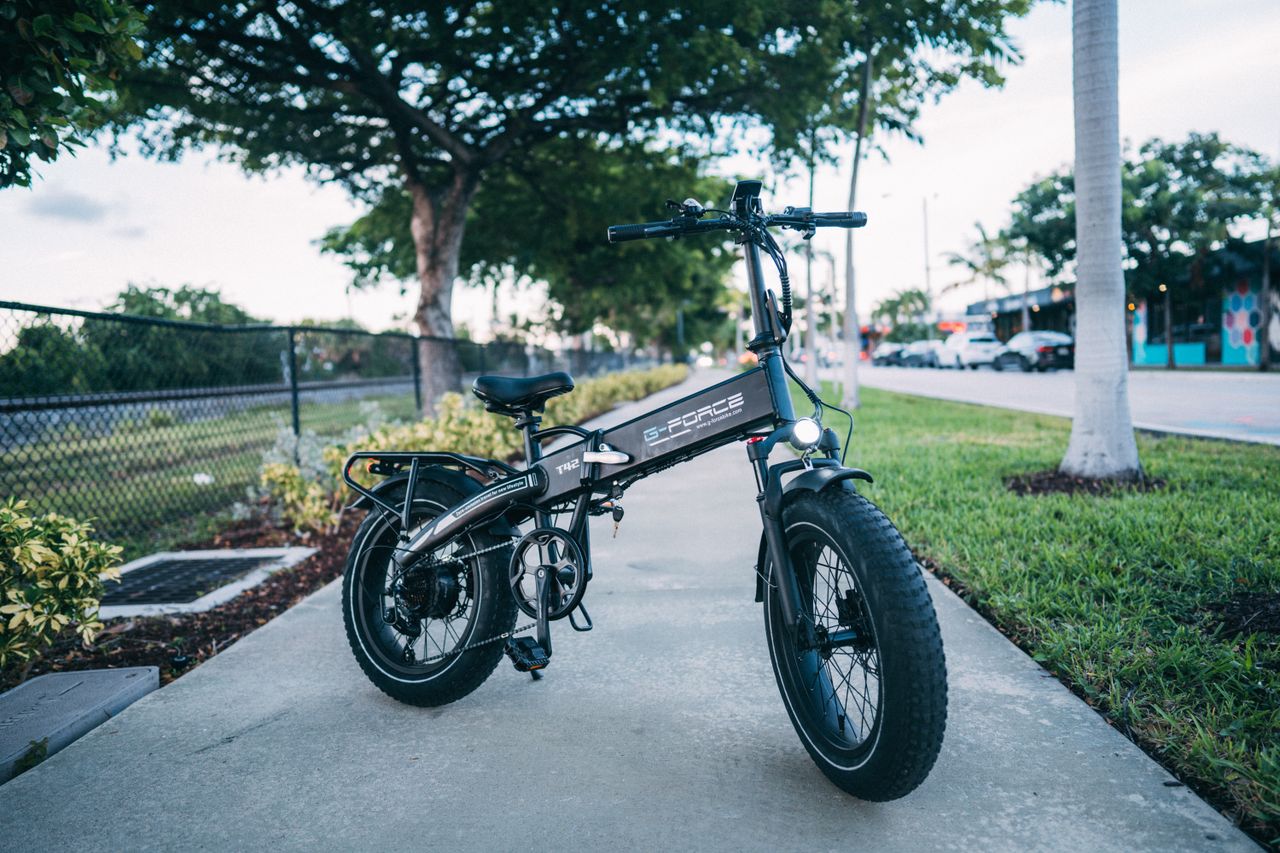
Marketing calls almost every powered two-wheeler an “e-bike.” Law does not. Across the United States, the United Kingdom, and Australia, a machine only stays in the bicycle-like category when it meets hard limits on continuous motor power, assisted speed, and—almost always—working pedals. Cross those limits and the same product is treated as a moped, motorcycle, or off-highway vehicle that needs registration, insurance, and a licence. This Laws Hub maps that boundary so buyers, parents, and riders can read a product page against the statute instead of the listing title.
Why the label “e-bike” is not the law
Retailers often use “e-bike,” “electric bike,” or “street legal” for machines that already exceed the bicycle definition in the place you ride. PeopleForBikes and enforcement agencies describe the mismatch as an e-moto problem: higher-wattage, higher-speed electric mopeds and dirt bikes sold with bicycle language, sometimes with decorative or barely usable pedals. The legal test is not the brand name or the class sticker in the photo; it is whether the vehicle fits the written definition in your jurisdiction.
Illegal Bikes Files tracks those definitions and the enforcement waves that follow when cities and states decide the market has outrun the rules. Start with the deep dives on US e-bike classes and 15 USC 2085, UK Electrically Assisted Pedal Cycles, NYC and California sales crackdowns, and the dedicated California eMoto OHV / SB 586 brief. For product taxonomy, use the e-bike vs e-moto comparison and the how to identify checklist.
United States: federal product floor, state road rules
Federal law at 15 U.S.C. § 2085 defines a “low-speed electric bicycle” as a two- or three-wheeled vehicle with fully operable pedals, an electric motor of less than 750 watts (1 hp), and a maximum speed under 20 mph on motor power alone on level pavement with a 170-pound rider. Qualifying machines sit under Consumer Product Safety Commission bicycle rules rather than motor-vehicle type approval. The federal sentence does not by itself open every trail or sidewalk; states and cities still set where you may ride, helmet rules, and age floors.
Most states layer a three-class system on top of that product floor. Class 1 is pedal-assist only to 20 mph. Class 2 allows a throttle but still caps motor assistance at 20 mph. Class 3 is pedal-assist (in most states) to 28 mph. Industry trackers such as PeopleForBikes put adoption in the low-to-mid forties of states, with additional jurisdictions moving toward the same framework. A machine over 750 W, or one that can exceed 20 mph on the motor alone, is not a low-speed electric bicycle under the federal definition—even if the seller ships pedals and a “Class 2 mode.” Details and edge cases live on the US e-bike classes page.
United Kingdom: Electrically Assisted Pedal Cycles
In Great Britain the bicycle-like category is the Electrically Assisted Pedal Cycle (EAPC). GOV.UK guidance requires pedals that can propel the cycle, a motor with continuous rated power of no more than 250 watts, and motor assistance that cuts out at 15.5 mph (25 km/h). Riders must be 14 or older. A compliant EAPC needs no registration, tax, or motor insurance and may use cycle facilities where ordinary bikes are allowed—not pavements.
A throttle that drives the bike at road speed without pedalling generally takes the machine outside EAPC treatment; a low-speed walk-assist around 6 km/h is the usual narrow exception. “Off-road mode” unlocks that push assistance past 15.5 mph also fail the EAPC test in Department for Transport guidance. Wiltshire Police and other forces have published plain-language videos showing how officers check motor markings, pedal sensors, and throttles in the field. Full UK detail is on the UK EAPC page.
Australia: power-assisted cycles and state overlays
Australia’s common floor for a bicycle-like e-bike is a continuous rated motor around 250 W with assistance that stops at 25 km/h (15.5 mph) while you pedal. States and territories then add helmet rules, path access, and—especially in New South Wales—transitional power caps and EN 15194 certification timelines. Throttles that propel beyond a walk-assist speed, continuous ratings well above the local cap, or software “locks” on a higher-powered motor are treated as motor vehicles on public roads and paths in many jurisdictions. Always confirm the current state or territory transport page before you buy or ride; national marketing language is not a substitute for local road rules.
Cities and states that target sales, not only riders
Product rules matter most when cities enforce them at the point of sale. New York City makes it illegal to sell or operate e-bikes with motors larger than 750 watts or capable of speeds exceeding 25 mph, and stand-up scooters over weight or 20 mph limits. In August 2026 Mayor Zohran Mamdani’s administration issued cease-and-desist orders to 42 online retailers—including major marketplaces and specialty brands—warning of civil penalties up to $2,000 per illegal sale. California’s SB 586 (effective January 1, 2026) defines off-highway electric motorcycles (eMotos) such as Sur-Ron-style machines without factory pedals as OHVs needing green-sticker identification, and SB 1167 tightens how sellers may advertise non-e-bike products. See NYC and California for the combined timeline and California eMoto OHV for green-sticker and labeling detail.
How to use this hub
- Identify the jurisdiction where you will ride, not only where the package ships.
- Match continuous watts, motor-only speed, and pedal function against that jurisdiction’s bicycle definition.
- Treat unlockable firmware, “off-road modes,” and decorative pedals as red flags—read how to identify and e-bike vs e-moto.
- If the machine is an e-moto or electric dirt bike, look for registration and OHV paths rather than bike-lane assumptions—see the classes hub.
This archive summarizes publicly reported statutes, guidance, and news. It is not legal advice. Rules change; verify with the cited agency before you buy, sell, or ride.
Frequently Asked Questions
Clear answers grounded in published rules and reporting.
What makes an e-bike illegal in plain terms?
In most places it stops being a bicycle-like e-bike when continuous motor power, motor-only speed, or pedal rules exceed the local definition—for example over 750 W or over 20 mph motor-only in the US federal low-speed rule, or over 250 W / 15.5 mph assist in UK EAPC rules. Sellers calling it an e-bike does not change that.
Do US, UK, and Australia use the same watt and speed caps?
No. The US federal low-speed e-bike definition uses under 750 W and under 20 mph motor-only, with many states adding Class 1–3 assist limits. Great Britain’s EAPC cap is 250 W continuous with assist cutout at 15.5 mph. Australia commonly uses about 250 W continuous and 25 km/h assist, with state overlays.
Where should I start if I only care about New York or California?
Read NYC and California for sales bans and C&Ds, then California eMoto OHV for SB 586 green-sticker detail. Pair both with US classes.
Is this page legal advice?
No. Illegal Bikes Files is an archive of public statutes, guidance, and reporting. Confirm current rules with GOV.UK, your state DMV or transport agency, or a qualified attorney before you buy or ride.