Illegal Bikes Classes Hub
A product taxonomy for e-bikes, e-motos, dirt bikes, and mopeds
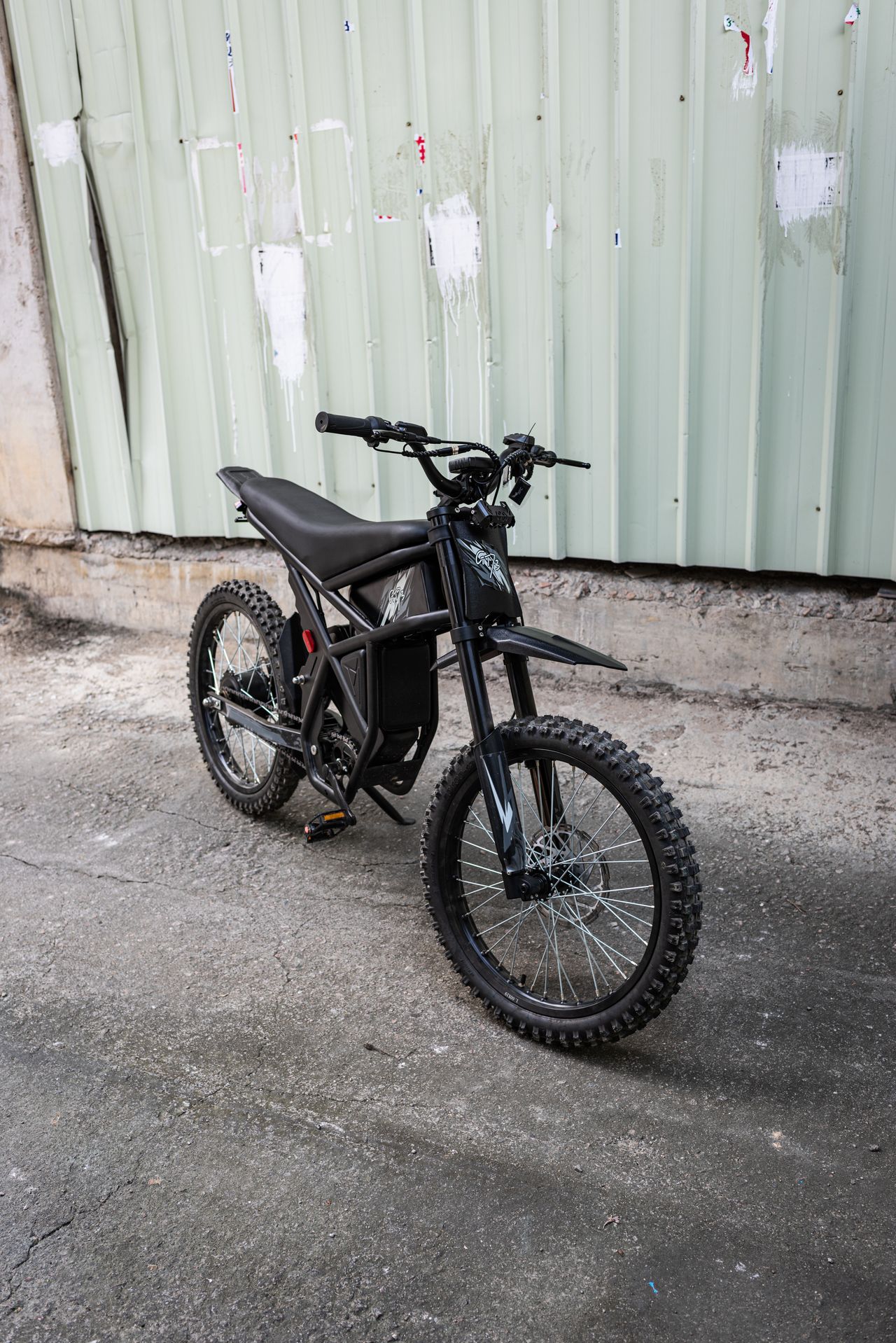
Before you argue about bike lanes or green stickers, name the machine correctly. Illegal Bikes Files uses classes in two senses: the formal Class 1 / 2 / 3 labels many US states print on compliant e-bikes, and the broader product taxonomy that separates legal electric bicycles from e-motos, electric dirt bikes, mopeds, and motorcycles. This hub is the map between those worlds.
The four buckets riders actually meet
1. Legal electric bicycle (e-bike)
A legal e-bike keeps working pedals, stays inside the local continuous power cap, and respects the local assisted or motor-only speed ceiling. In the United States that usually means alignment with 15 U.S.C. § 2085 (pedals, under 750 W, under 20 mph motor-only) plus a state Class 1–3 sticker. In Great Britain it means an EAPC at 250 W with assist cutout at 15.5 mph. In much of Australia it means a power-assisted cycle around 250 W with assist to 25 km/h. These machines are regulated like bicycles for licensing in the compliant category—though cities may still set operating speed limits, helmet rules, and path bans.
2. E-moto (electric moped / motorcycle sold as a bike)
PeopleForBikes describes e-motos as electric mopeds, motorcycles, and dirt bikes that are much more powerful and faster than any electric bicycle. Hallmarks include motors over 750 W, motor-only speeds over 20 mph, straddle bench seats, open frames built around large batteries, and sometimes decorative pedals added to look bicycle-like. A limited “Class 2 mode” does not convert an overpowered chassis into a legal e-bike. Deep comparison: e-bike vs e-moto.
3. Electric dirt bike / off-highway eMoto
Sur-Ron, Talaria, Segway-style, and similar machines typically ship without pedals, with multi-kilowatt motors and 45+ mph capability. California’s SB 586 now calls many of them off-highway electric motorcycles needing OHV identification. They are rarely street-legal without a separate on-highway motorcycle registration path—and some states say aftermarket light kits cannot convert an off-highway design. Details: electric dirt bikes and NYC and California.
4. Moped / motor-driven cycle / motorcycle
When continuous power, speed, or missing pedals push a product out of the bicycle definition, vehicle codes already have boxes: moped, motor-driven cycle, motorcycle, or OHV. Those boxes usually require plates, insurance, and licences. NYC’s crackdown on devices over 750 W / 25 mph is enforcement of that boundary at the point of sale—see the Laws Hub.
Visual cues that beat the product title
- Daylight through the frame and real drivetrain geometry suggest bicycle DNA; a solid motorcycle cradle with pegs suggests e-moto DNA.
- Manufacturer class labels (Class 1 / 2 / 3) matter only when the hardware matches the statute—not when a sticker is the only compliant part.
- Throttle behavior at walking speed versus road speed separates walk-assist from motorcycle controls.
- Weight and wheel size (often over ~100 lb with small, wide wheels on e-motos) are soft signals used by advocates and officers alike.
Use the how to identify guide for a step-by-step checklist, and the tools section when we publish watt/speed calculators and label explainers.
Why classification mistakes cause legal risk
Parents buying a “fast e-bike” for a teenager, delivery workers shopping on marketplaces, and tourists importing a US Class 2 into the UK all make the same error: they trust the listing category. Statutes trust watts, speed, and pedals. Misclassification can mean riding an unregistered motor vehicle, void insurance, seizure, and—in cities with active sales enforcement—retailers facing per-sale fines.
How to navigate this section
- Read e-bike vs e-moto for the PeopleForBikes-aligned definition and fake-pedal problem.
- Read electric dirt bikes for Sur-Ron / Talaria / OHV reality.
- Return to US classes, UK EAPC, and NYC and California for the legal ceilings those products must meet.
This hub is a taxonomy overview, not legal advice. Product rules change; verify against the statute where you ride.
Frequently Asked Questions
Clear answers grounded in published rules and reporting.
What is the difference between an e-bike and an e-moto?
A legal e-bike stays within local power and speed caps with operable pedals. An e-moto is a faster, higher-powered electric moped or motorcycle—often over 750 W or over 20 mph on motor alone—even if pedals are bolted on. See e-bike vs e-moto.
Are Sur-Ron and Talaria e-bikes?
Usually no. They are electric dirt bikes / off-highway eMotos: multi-kilowatt, typically no factory pedals, and 45+ mph capable. California treats many as OHVs under SB 586.
Do Class 1, 2, and 3 labels exist outside the US?
The three-class sticker system is primarily a US (and some Canadian) framework. The UK uses EAPC rules; Australia uses EPAC / power-assisted cycle rules with state overlays. Do not assume a US class label travels.
Where should I go next?
Start with e-bike vs e-moto, then electric dirt bikes, and cross-check the Laws Hub for your country or city.