Illegal Bikes NYC and California Crackdowns
Sales bans, cease-and-desist orders, and OHV rules that treat e-motos as motor vehicles
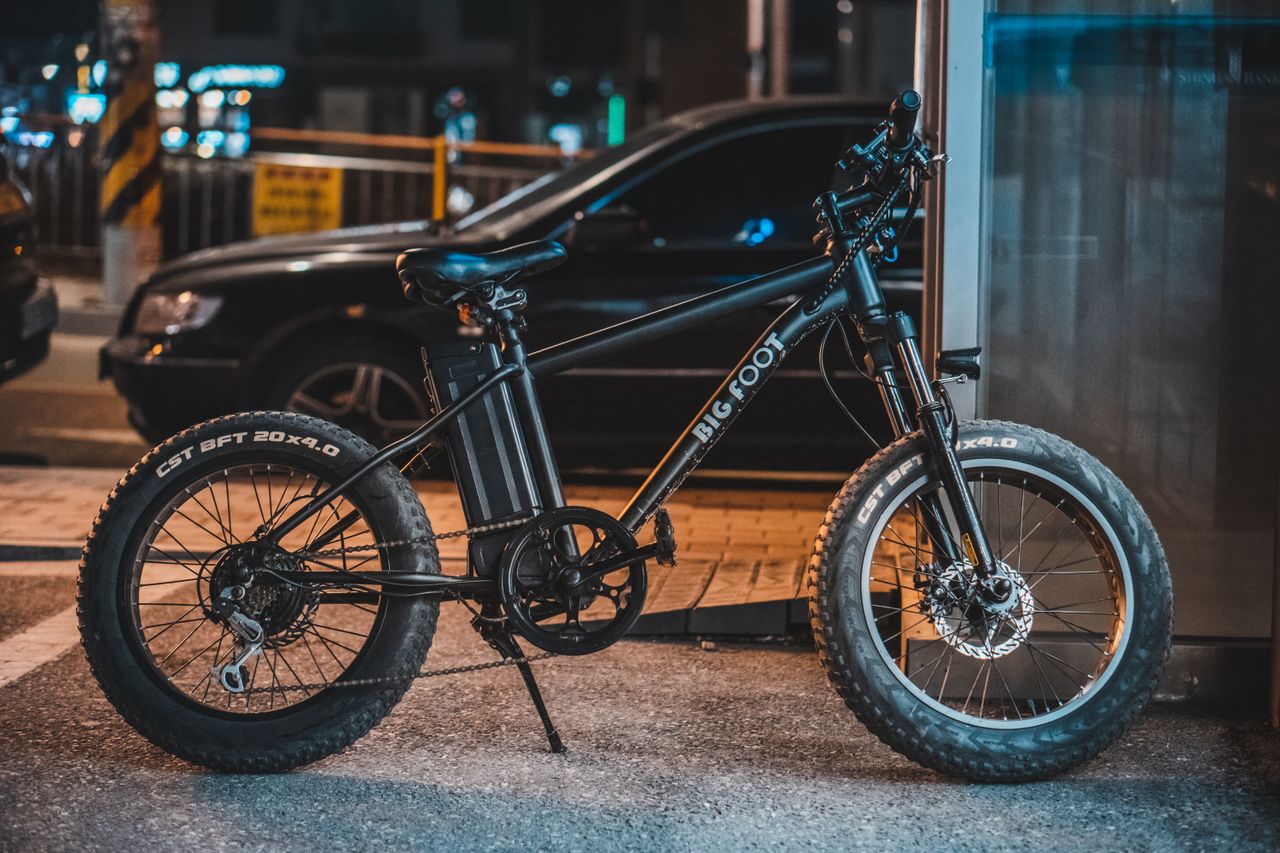
New York City and California have become the clearest US laboratories for the e-bike versus e-moto split. Both jurisdictions still allow compliant low-power electric bicycles, but both have moved hard against high-speed devices marketed with bicycle language. This page summarizes the public sales rules, the August 2026 New York City cease-and-desist wave, and California’s SB 586 off-highway electric motorcycle framework—with links into the case files for enforcement timelines.
New York City: what is illegal to sell or operate
NYC DOT’s micromobility guidance states that it is illegal to sell or operate on public streets:
- e-bikes equipped with electric motors larger than 750 watts or capable of speeds exceeding 25 mph;
- motorized stand-up scooters weighing more than 100 pounds or capable of traveling faster than 20 mph;
- seated mopeds that do not have and display a valid Vehicle Identification Number (VIN).
Separately, New York State Vehicle and Traffic Law defines a “bicycle with electric assist” with operable pedals, width limits, and a motor under 750 W, sorted into Class 1, 2, and 3. NYC layers operating rules on top—including a citywide 15 mph operating speed limit for e-bikes and e-scooters on city streets reported by DOT materials after late-2025 rule updates. Product capability over 25 mph or over 750 W is the sales/operation red line the mayor’s office cites when targeting illegal devices; the lower street operating cap is an additional compliance layer for riders of otherwise legal class bikes.
City messaging emphasizes fatality share: between 2017 and 2025, officials reported that 45 rider fatalities involved illegal e-bikes capable of traveling faster than 25 mph—about 54% of e-bike rider deaths in that period—and 14 fatalities involved stand-up scooters capable of more than 20 mph (about 52% of stand-up scooter deaths).
August 2026: cease-and-desist orders to 42 retailers
On August 5, 2026, Mayor Zohran Kwame Mamdani announced that the City had issued cease-and-desist orders to 42 online retailers demanding they stop selling illegal high-speed devices into New York City’s 175 ZIP codes. The official mayoral release and contemporaneous Streetsblog reporting named major marketplaces and specialty sellers among those notified, including Amazon, Best Buy, Target, Temu, Teverun, Walmart, Marketplace, Wayfair, Segway, Deepower, and Wilson’s E-Bikes, among others.
Retailers that continued selling prohibited devices after the order faced civil penalties of up to $2,000 for each illegal sale. The administration set a mid-August compliance deadline (reported as August 18, 2026). Follow-up reporting later described mixed compliance across marketplaces and direct-to-consumer brands, with some firms blocking NYC ZIP codes and others still listing non-compliant machines.
The Deepower QS7 crash near City Hall
The announcement followed the death of 17-year-old Gabriel Nacato on July 29, 2026. Reporting from Streetsblog and other outlets stated he was riding a Deepower QS7 in Lower Manhattan near City Hall when he was struck by an SUV. Coverage described the QS7 as marketed like an e-bike while carrying roughly a 1,500-watt motor—about double the city’s legal maximum—and advertising speeds around 30 mph, with website instructions on overriding limiters to much higher speeds. DOT Commissioner Mike Flynn publicly described devices of this type as motorcycles being marketed to New Yorkers as bicycles.
For a longer enforcement timeline, seizures, and related incidents, see the NYC crackdowns case file.
California: SB 586 off-highway electric motorcycles
California already used a three-class e-bike definition aligned with operable pedals and a 750 W motor cap (Class 1 and 2 assist to 20 mph; Class 3 pedal-assist to 28 mph). The growth of Sur-Ron-, Talaria-, and similar no-pedal electric dirt bikes exposed a labeling gap: machines sold with “e-bike” language that never met Vehicle Code § 312.5.
Senate Bill 586, signed by Governor Gavin Newsom on October 10, 2025 and effective January 1, 2026, added Vehicle Code § 436.1 defining an “off-highway electric motorcycle” (eMoto). In summary, an eMoto is an off-highway motorcycle that is:
- designed by the manufacturer primarily for off-highway operation;
- powered by an electric motor (motor number not required);
- steered with handlebars;
- fitted with a manufacturer straddle seat;
- on two wheels;
- not equipped with pedals from the manufacturer.
California OHV / Parks bulletins state these machines are not electric bicycles under § 312.5 and are not mopeds under § 406. Advertising, selling, or labeling an electric off-highway motorcycle as an electric bicycle is prohibited. The appropriate identification is a California Green Sticker OHV identification. Named manufacturer examples in enforcement bulletins include Sur-Ron, Talaria, Ventus, E Ride Pro, Stacyc, and Stark Future. State materials also warn that aftermarket lighting kits do not convert these OHVs into on-highway motorcycles when the manufacturer design is off-highway.
California labeling follow-ons (SB 1167)
Senate Bill 1167, signed September 30, 2026 (effective January 1, 2027 per chaptered reporting), strengthens sales and advertising rules without rewriting the underlying 750 W e-bike definition. Public summaries from Streetsblog California, PeopleForBikes, and legislative digests describe requirements that:
- vehicles exceeding e-bike limits must not be advertised, sold, or labeled as e-bikes;
- manufacturers, importers, and sellers of electric mopeds, motor-driven cycles, and off-highway electric motorcycles must disclose that the product is a motor vehicle subject to registration, licensing, insurance, and helmet rules;
- e-bike class labeling and certain electrical safety expectations are tightened for covered products.
Exact effective dates and disclosure wording should be confirmed on the California Legislative Information chaptered text before compliance decisions. Bay Area enforcement patterns and local impound stories are collected in the California Bay Area case file.
How NYC and California fit the federal floor
Neither city’s campaign replaces 15 U.S.C. § 2085. Federal law still defines the low-speed electric bicycle product. NYC and California add sales, labeling, and OHV identification tools aimed at machines that already fail bicycle definitions—especially multi-kilowatt dirt bikes and throttle machines advertised past 25 mph. Cross-read e-bike vs e-moto and electric dirt bikes for the product taxonomy behind the statutes.
Practical takeaways
- In NYC, do not buy or ride a device marketed as an e-bike if the motor exceeds 750 W or the machine is capable of more than 25 mph; expect marketplace blocks and fines after the 2026 C&D wave.
- In California, treat factory no-pedal electric dirt bikes as OHV eMotos needing green-sticker identification—not as Class 1–3 e-bikes—and watch SB 1167 disclosure duties for sellers.
- Use the Laws Hub and US classes pages for the nationwide floor, then return here for the two highest-profile state/city overlays.
This page summarizes official releases and reputable reporting. It is not legal advice. Confirm NYC Administrative Code / DOT rules and California Vehicle Code text before you sell or ride.
Frequently Asked Questions
Clear answers grounded in published rules and reporting.
What e-bikes are illegal to sell in New York City?
NYC says it is illegal to sell or operate e-bikes with motors larger than 750 watts or capable of speeds exceeding 25 mph, plus overweight or over-20 mph stand-up scooters and certain mopeds without a valid VIN.
What did Mayor Mamdani announce in August 2026?
On August 5, 2026 the City issued cease-and-desist orders to 42 online retailers—including Amazon, Best Buy, Target, Deepower, Segway, and others—demanding they stop shipping illegal devices to NYC ZIP codes, with fines up to $2,000 per illegal sale.
What is California SB 586?
SB 586 (effective January 1, 2026) defines off-highway electric motorcycles (eMotos)—typically two-wheel, straddle-seat, no factory pedals, maker-designed for off-highway use—and treats them as OHVs requiring green-sticker identification, not as e-bikes.
Are Sur-Ron bikes street-legal e-bikes in California?
Generally no. State OHV bulletins classify Sur-Ron-style machines without manufacturer pedals as off-highway electric motorcycles. They need OHV identification for public OHV areas and are not Class 1–3 e-bikes under Vehicle Code § 312.5.
Where are the detailed case timelines?
See NYC crackdowns and California Bay Area for incident-level reporting linked from this laws overview.